
The cultural tapestry of casinos understanding their significance in society
Historical Roots of Casinos
The origins of casinos can be traced back to ancient civilizations, where games of chance were played in various forms. The ancient Chinese, Romans, and Greeks engaged in gambling activities that laid the groundwork for modern casinos. These early establishments served not only as entertainment venues but also as social hubs where communities gathered, reflecting the cultural dynamics of their times. As players explore new platforms like the Casoola app, they continue this age-old tradition of gaming in a modern context.

As societies evolved, so too did the concept of gambling. The emergence of formal gambling houses in the 17th century marked a significant turning point. These establishments began to attract aristocrats and wealthy patrons, intertwining gambling with social status. This history reveals how casinos have always played a pivotal role in societal interactions, weaving themselves into the cultural fabric of communities.
The Role of Casinos in Modern Society
In today’s world, casinos serve multiple functions beyond mere entertainment. They act as economic engines, generating jobs and stimulating local economies. The revenues generated from gambling can be substantial, funding public projects and services that benefit society as a whole. This economic impact highlights the dual role casinos play as both entertainment venues and important contributors to community development.
Moreover, casinos are places where diverse groups converge, reflecting the multiculturalism of society. Patrons from various backgrounds come together, sharing experiences and stories. This interaction fosters a sense of community and shared culture, making casinos unique social spaces that transcend geographical and social boundaries.
The Psychological and Social Aspects of Gambling
The experience of gambling is deeply rooted in psychological and social elements. For many, casinos offer an escape from daily life, a place to seek thrill and excitement. This allure can create a strong emotional attachment, turning gambling into a form of entertainment that transcends the mere act of playing games.
However, it is essential to acknowledge the potential risks associated with gambling. While many enjoy it responsibly, some may develop problematic behaviors. Understanding the psychological triggers behind gambling can help in promoting responsible gaming practices and ensuring that casinos remain safe and enjoyable environments for all patrons.
Casinos as Cultural Symbols
Casinos are often viewed as cultural symbols, representing both the allure and the risks of gambling. They embody a lifestyle that is glamorous and exciting, often portrayed in popular media. This cultural representation shapes public perceptions and influences societal attitudes toward gambling.
Furthermore, the architecture and design of casinos reflect cultural aesthetics, often blending modernity with traditional motifs. This interplay between culture and commerce creates spaces that are not just venues for gambling but also artistic expressions that resonate with the community’s identity.
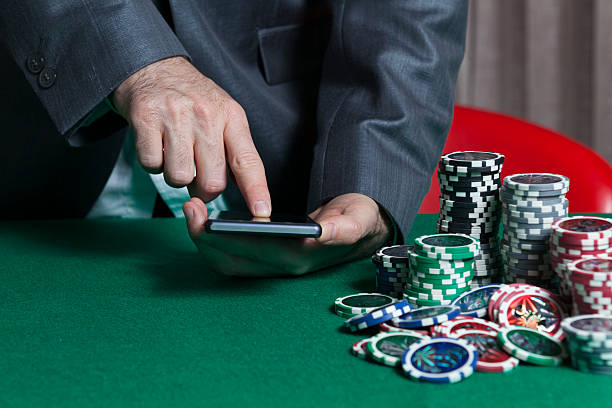
Exploring Online Casino Culture
With the rise of digital technology, online casinos have become an integral part of the gambling landscape. Platforms like Casoola have transformed the way players engage with casino games, offering a vast array of options from the comfort of home. This shift highlights the evolution of casino culture, adapting to the lifestyles of modern society.
Online casinos also emphasize responsible gaming, providing users with tools to manage their gambling habits. This commitment to player safety reflects a growing awareness of the importance of mental health within the gaming community. As the online casino industry continues to expand, its influence on cultural norms and social interactions will undoubtedly grow, shaping the future of gambling in society.